
Ceremony Sound: Ensuring Every Guest Hears Your ‘I Do’

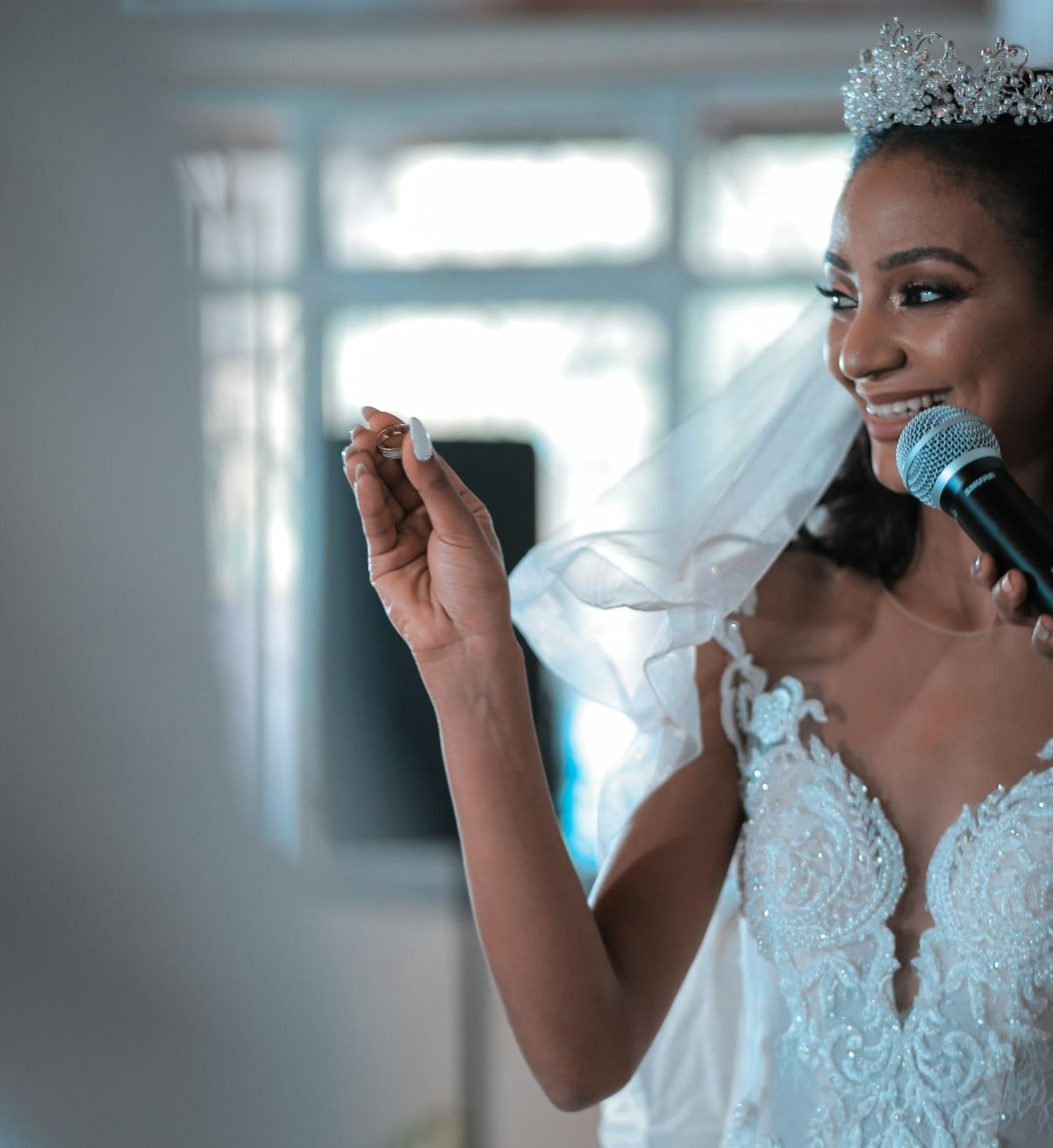
Ceremony audio is one of the most consequential and least discussed aspects of wedding planning. A beautifully written ceremony, delivered by an officiant with genuine warmth, is experienced entirely differently by the front row and the back row when the sound is inadequate. Guests who cannot hear the vows do not feel present for them.
Getting ceremony audio right requires planning, not assumption.
Understanding What Your Venue Provides
The first step is understanding exactly what your venue's existing audio infrastructure includes. Some venues have built-in speaker systems designed for ceremonies. Others have no audio equipment at all and require everything to be rented and installed. Many fall somewhere in between, with a basic system that is adequate for a small indoor space but insufficient for a larger room or any outdoor setting.
Ask your venue coordinator directly: What audio system do you have? What is the coverage area? Have you used it for a ceremony of our size, and how did it perform? Request to hear the system during your venue walkthrough if possible.
Outdoor Ceremonies
Outdoor ceremonies present audio challenges that indoor spaces typically do not. Sound dissipates in open air, ambient noise competes with the spoken ceremony, and directionality of speakers is more critical without walls to reflect sound.
For most outdoor ceremonies with more than 50 guests, a professional audio system is necessary. This typically includes powered speakers positioned for even coverage across the seating area, a wireless handheld or lapel microphone for the officiant, and a separate audio input for any music being played through the system.
Hiring a professional audio technician for ceremony sound, separate from the DJ or band who will handle reception sound, is a reasonable investment for outdoor events. An experienced audio technician will assess the space, position speakers correctly, and manage sound levels during the ceremony so that adjustments can be made if conditions change.
Microphone Considerations
Officiant microphone. The officiant needs a wireless microphone that allows them to move naturally and maintain clear projection without requiring them to hold a handheld device throughout. A wireless lavalier or clip-on microphone is the most common solution and is the least visually distracting in photographs.
Couple's vow amplification. Depending on the size of the ceremony space and where the couple is positioned, it may or may not be necessary to microphone the couple during vow exchange. A directional microphone on a stand can capture spoken vows without requiring the couple to wear a lavalier. Discuss this with your audio technician or DJ in advance of the ceremony rather than deciding on the day.
Reader and musical performer microphones. If your ceremony includes readings, solo musical performances, or vocal performances, each requires its own microphone setup. Account for these in the audio plan and provide the specific details to whoever is managing your sound.
Sound Check Before Guests Arrive
Any audio system being used for the ceremony needs a sound check before guests are seated. This is not optional. A sound check identifies technical problems, sets appropriate levels, and confirms that the system sounds as expected in the specific acoustic environment of the day.
Confirm with your DJ, band, or audio vendor that a ceremony sound check is built into their setup and arrival timeline. It should happen at least 30 minutes before guests begin arriving to the ceremony space.
A ceremony where every guest can hear clearly, where the music comes through cleanly, and where the vows are audible throughout the space is one of the details guests notice and remember. It is also one of the most straightforward to get right when it is planned for rather than assumed.
Use the Vendor Manager in The Planned Wedding to coordinate audio requirements across your ceremony and reception vendors. Open the app.

