
Seasonal Blooms: Getting the Most ‘Flower for Your Buck’

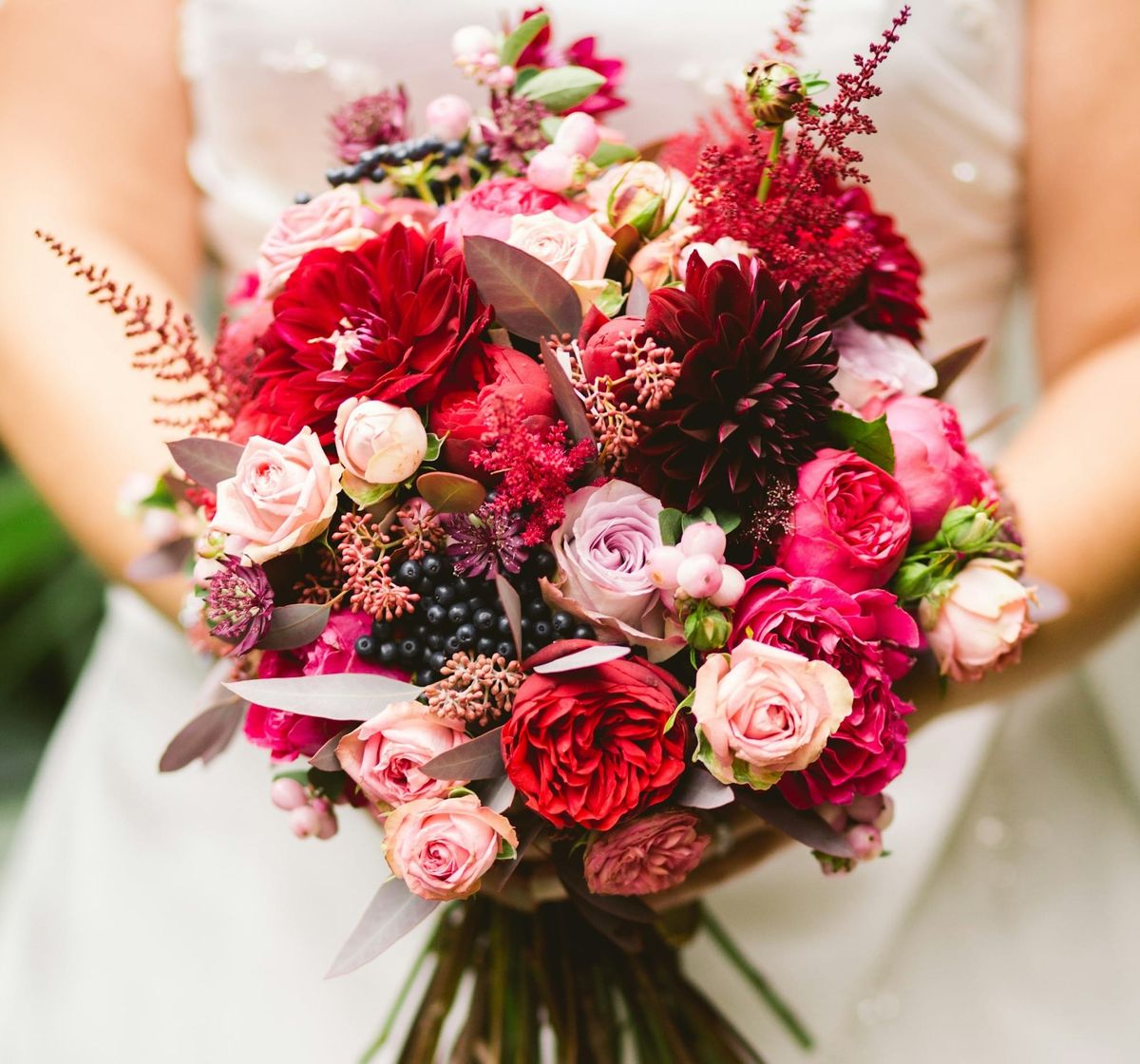
Floral budgets are one of the most elastic line items in wedding planning. The same visual impact can cost dramatically different amounts depending on what flowers are used, where they are sourced, and when the wedding takes place. Seasonality is one of the most practical levers couples can use to control floral costs without compromising on the look they want.
Why Seasonality Affects Cost
Flowers that are in season locally require less energy to grow, less transportation to reach the market, and less cold storage to keep them fresh before the event. Out-of-season flowers require greenhouse growing, long-distance importing, or extended cold chain logistics. Those costs are passed on in the per-stem price.
A garden rose in peak season might cost $1 to $2 per stem. The same rose sourced out of season or imported from overseas can cost three times that. Across a full floral order, those per-stem differences compound quickly.
Seasonal Flower Guide by Season
Spring (March through May): Peonies, ranunculus, sweet peas, anemones, tulips, lilacs, hyacinths, and garden roses. Spring is often considered the most abundant season for romantic, soft-textured florals. Peonies in particular are at their peak and most affordable during late spring.
Summer (June through August): Sunflowers, dahlias, zinnias, lisianthus, lavender, black-eyed Susans, and tropical flowers. Summer offers high availability and excellent variety. Dahlias peak in late summer and are a cost-effective, high-impact choice.
Fall (September through November): Dahlias continue through early fall, joined by marigolds, amaranth, coxcomb, burgundy and rust-toned chrysanthemums, and branches with seasonal foliage. Fall florals are often rich in texture and work well with warm color palettes.
Winter (December through February): Amaryllis, paperwhites, anemones, hellebores, and forced spring bulbs. Winter has fewer naturally abundant options, which makes it a season where greenery, berries, and structural elements often carry more of the visual weight.
Practical Ways to Work With Seasonality
Let your florist lead the conversation. When meeting with florists, ask what is going to be at peak quality and lowest cost around your wedding date before you share your inspiration images. A good florist can often suggest seasonal substitutes that achieve a similar look for a lower price.
Lean on greenery and texture. Greenery, such as eucalyptus, ferns, and olive branches, is available year-round, relatively inexpensive, and visually generous. Arrangements that use lush greenery as a base with fewer focal flowers often achieve more visual impact per dollar than arrangements built entirely around premium blooms.
Consider single-variety arrangements. Arrangements built around one or two flower types in large quantities tend to cost less and look more intentional than complex mixed arrangements. A centerpiece of massed white ranunculus or blush garden roses makes a strong statement without the cost of variety.
Use ceremony flowers twice. Flowers used at the ceremony altar, chuppah, or aisle can often be moved to the reception for use as centerpieces or bar arrangements. Coordinate this with your florist and venue in advance so the logistics are planned rather than improvised.
What to Avoid
Avoid building your entire floral vision around a single out-of-season flower that has strong personal significance. If you are set on peonies but getting married in November, a skilled florist can often source them, but the cost will be notably higher than in peak season. It is worth knowing that trade-off before finalizing the floral direction.
Also avoid comparing floral quotes without confirming what is included. One florist's centerpiece quote may include vessel rental. Another's may not. Ensure quotes are compared on a like-for-like basis.
Use the Vendor Manager in The Planned Wedding to track florist quotes and compare what each one includes. Open the app.

