
The 'Buffer' Rule: Why Your Shuttle Schedule Needs 15 Extra Minutes

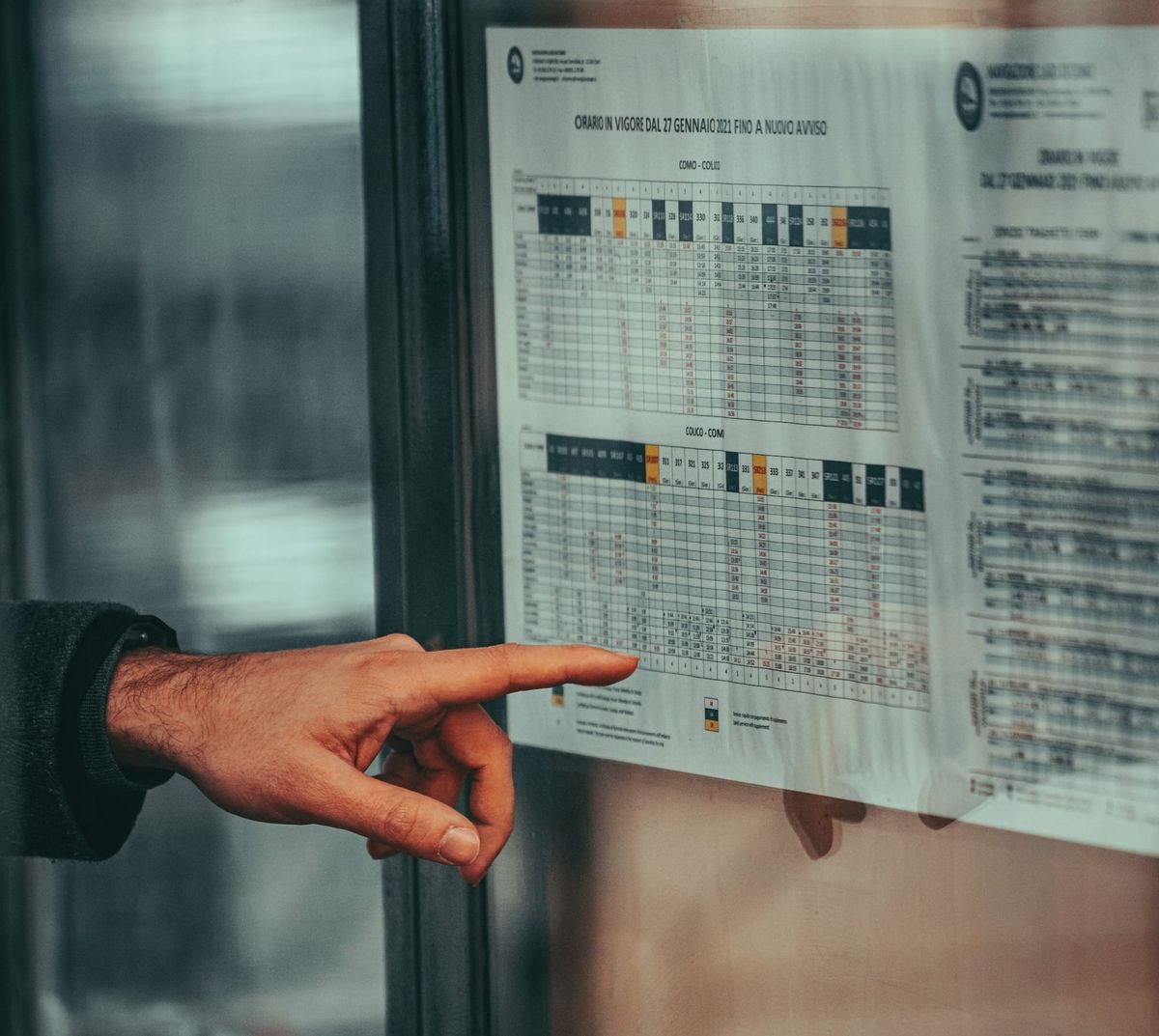
Wedding day shuttle schedules are one of the logistics categories most consistently optimized on paper and most reliably disrupted in practice. The reason is predictable: shuttle timing calculations are built around ideal conditions, and weddings do not operate in ideal conditions.
The practical solution is not a more precise schedule. It is building buffer time deliberately into every transition, with the understanding that this buffer will be used.
Why Shuttles Run Late
Shuttle delays at weddings are almost never caused by traffic or driver error. They are caused by guests. Specifically, by guests who are not ready to board when the shuttle is scheduled to depart, guests who are finishing a conversation at the bar, guests who cannot locate their bag, guests who need to find their plus-one, and guests who did not read the timeline closely enough to know the shuttle was leaving at a specific time.
This is not a problem to be solved by better communication or firmer instructions. It is a characteristic of group social events. Planning assumes it will happen.
The 15-Minute Buffer Rule
Add 15 minutes to every shuttle departure on your schedule. If the reception ends at 10:00 PM and you want guests at the hotel by 10:45 PM, schedule the final shuttle departure for 9:45 PM, not 10:00 PM. Tell guests the shuttle departs at 9:45 PM. In practice, it will likely depart between 9:45 PM and 10:00 PM, which still gets guests to the hotel at roughly the intended time.
The same principle applies to ceremony-to-reception transfers. If cocktail hour begins at 5:00 PM and the venue is a 10-minute drive away, the shuttle does not need to depart at 4:50 PM. It needs to depart at 4:35 PM to allow for boarding time and arrive at 4:55 PM with time for guests to settle before cocktail hour service begins.
Building a Realistic Shuttle Schedule
Start with your hard endpoints: ceremony end time, reception start time, and venue closing or curfew time. Then work through the logistics in sequence.
For each shuttle run, calculate travel time between points, add 10 to 15 minutes for boarding, and add 5 minutes for disembarkation and any unexpected traffic. The resulting number is your working travel block, and it is almost always longer than the raw driving time suggests.
For multiple shuttle runs, calculate whether the vehicle can complete return trips within the time available. A bus that takes 20 minutes round trip can complete two runs in 40 minutes, plus boarding time. If your guest volume requires four runs in a 60-minute window, the math does not work and you need an additional vehicle or a revised schedule.
Communication Matters as Much as Timing
Guests who know exactly where to go, when to be there, and what vehicle to board are more likely to board on time than guests who are navigating the logistics spontaneously. Include shuttle information in your wedding website, in your day-of communication, and, if possible, as a printed card at guest seats during the ceremony.
Assign a specific person, not the couple and not the wedding party, to manage shuttle logistics on the day. This person confirms the driver has arrived, communicates departure times to guests, and manages the boarding process. A designated logistics point-of-contact for transportation removes an entire category of day-of coordination from the couple's awareness.
Confirm the driver's mobile number before the wedding day and ensure your logistics coordinator has it. Communication between the coordinator and driver during the event prevents the most common timing failures.
Use the Vendor Manager in The Planned Wedding to track transportation details, driver contacts, and your shuttle schedule. Open the app.

